menu


Partnership: Rainbow Place & GPC
Vision Statement
Program Visions & Outcomes
Virtual Tour of the Proposed Shelter
An Overview of Rainbow Place
About the Executive Director
Mission-Driven Real Estate
FAQs
Still have questions? Email PRquestions@gpchurch.org
Partnership: Rainbow Place & GPC
Vision Statement
Program Visions & Outcomes
Virtual Tour of the Proposed Shelter
An Overview of Rainbow Place
About the Executive Director
Mission-Driven Real Estate
FAQs
Still have questions? Email PRquestions@gpchurch.org.

A Potential Partnership in Mission
Rainbow Place and GPC
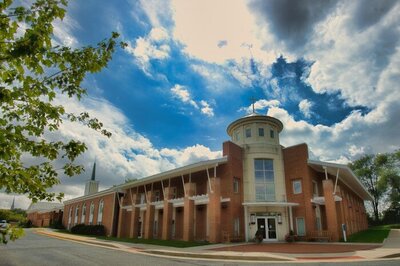
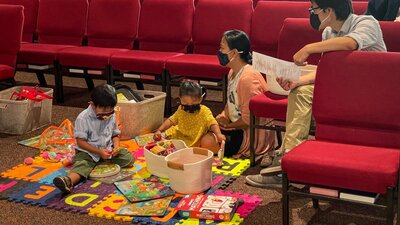
Over the past year, the Session and Pastors of GPC have been in discussion with the leadership of Rainbow Place about the possibility of converting a portion of the south wing of the lower level of GPC (where the preschool was previously located) into a shelter for unhoused young adults (18-24).
GPC and Rainbow Place have entered into a Letter of Agreement and are moving toward a formal lease. At this point, we are focusing on engaging the larger community and gathering input and questions that will create a stronger program in partnership with our neighbors.
We've prepared answers to questions that have been most frequently asked, and we welcome additional questions and concerns. If you still have questions after reading through this information, you may ask your questions by emailing PRquestions@gpchurch.org or by talking with a member of GPC’s Rainbow Place Leadership Team, Elders Alexandra Parker, Corinne Kuypers-Denlinger, Tom Bahls, and Mary Spencer.

Over the past year, the Session and Pastors of GPC have been in discussion with the leadership of Rainbow Place about the possibility of converting a portion of the south wing of the lower level of GPC (where the preschool was previously located) into a shelter for unhoused young adults (18-24).
GPC and Rainbow Place have entered into a Letter of Agreement and are moving toward a formal lease. At this point, we are focusing on engaging the larger community and gathering input and questions that will create a stronger program in partnership with our neighbors.
We've prepared answers to questions that have been most frequently asked, and we welcome additional questions and concerns. If you still have questions after reading through this information, you may ask your questions by emailing PRquestions@gpchurch.org or by talking with a member of GPC’s Rainbow Place Leadership Team, Elders Alexandra Parker, Corinne Kuypers-Denlinger, Tom Bahls, and Mary Spencer.
From Crisis to Contribution: We believe young adults experiencing homelessness are not broken—they are under-supported. Our goal is to develop self-sufficient, housed, mentally well, and community-engaged young adults who add value to society and no longer rely on social welfare systems.
Rainbow place Vision Statement

Program Vision
Program Outcomes
Program Visions
Program Outcomes
PROGRAM VISION
PROGRAM OUTCOMES
• Young adults maintain housing with minimal program intervention.
• Young adults are engaged in education, vocational training, or employment.
• Young adults show decreased emergency/crisis service usage.
• Young adults are practicing skills inrecovery, coping, and emotional regulation.
Mid-Term Outcomes (3–12 Months):
• Young adults retain permanent housing.
• Young adults are financially literate and saving/investing in their future.
• Young adults identify as contributors to their communities (e.g., mentoring, advocacy, entrepreneurship).
• Young adults no longer require social welfare assistance as primary support.
Long-Term Outcomes (1–3 Years):


• Young adults are connected to safe, stablehousing.
• Young adults are actively engaged in therapy, peer support, and/or case management.
• Young adults understand and articulate their own challenges and goals.
• Young adults have immediate needs met (ID, food, benefits, transportation).
Short-Term Outcomes (0–90 Days):
Program Outcomes Framework
KEY BARRIERS
ADDRESSED
PROGRAM REFRAMES
LOGIC
MODEL
NEXT
STEPS


Program Reframes

• We are not just reducing homelessness—
we are producing middle-class citizens.
• This is a launchpad, not a waiting room.
• Young adults are partners, not projects.
• This is a program for potential—
not punishment.
We are not just reducing homelessness—we are producing middle-class citizens.
✦
This is a launchpad, not a waiting room.
✦
Young adults are partners, not projects.
✦
This is a program for potential—
not punishment.
LOGIC MODEL
Inputs:
Funding (county, state, philanthropic), trauma-informed staff, peer mentors, mental health clinicians, housing navigators, training resources, community partnerships, Gaithersburg Presbyterian Church facilities
• 100% of young adults complete intake within 48 hours
• 90% of young adults receive a mental health and
housing assessment
• Weekly group and peer sessions held on site
• Youth have 1:1 coaching and case planning weekly
OUTPUTS:
• Young adults maintain stable housing post-exit (measured at 6 and 12 months)
• Young adults reduce ER/hospital/crisis touchpoints by 50%
• 80% of youth show improved emotional self-awareness
and coping
• 70% are employed, enrolled in school, or in a training program
within 6 months
Outcomes:
• Decreased rates of recidivism into homelessness
• Increase in economically self-sufficient young adults
• Increased civic and community engagement
• Reduction in long-term social service dependency
Impact:
• Trauma-informed clinical therapy (individual and group)
• Case management and life coaching
• Peer mentorship and alumni network
• Housing navigation and landlord partnership
• Daily structure: meals, hygiene, emotional check-ins
• Skills workshops: financial literacy, emotional regulation,
conflict resolution
• Youth-led leadership councils and goal planning
Activities:
Inputs:
OUTPUTS:
Outcomes:
Impact:
Activities:

In 1982, ten women at Rockville Presbyterian Church decided they wanted to help the women experiencing homelessness in the City of Rockville by providing a warm, safe place to sleep for any woman who needed it during the winter months. In the first season, Rainbow Place opened with a modest setup. The women who came to the shelter slept on egg crates and were given coffee, hot chocolate, warm oatmeal, and a cup of soup by cheerful and compassionate volunteers. In the second season, Rainbow Place began serving dinner each night. In 2016 Rainbow Place Shelter became an independent non-profit.
Today, Rainbow Place Shelter is a well-respected part of the Montgomery County Continuum of Care in Montgomery County, MD. Our mission is to provide women emergency overnight shelter during the hypothermia season and assist them as they transition to a better quality of life. We work with women, keeping them safe and cared for during the harsh winter months. While we hope for a day without homelessness, we realize that it has not yet arrived. In the meantime, we work together with our staff and community volunteers to ensure that our guests know they are not invisible to us. They are valued and important human beings of worth. With that in mind, our guests receive a warm, safe place to sleep, 3 meals a day, access to showers, laundry facilities, case management, and referrals to local social services, treatment and housing programs. We provide all these services while treating every person with dignity, compassion, and respect.
Rainbow Place’s first priority is to protect its guests from the brutal winter weather. Since its inception, Rainbow has safely sheltered approximately 3000 women. Rainbow also has a firm commitment to improving the quality of life for its guests. Each year Rainbow’s case management program becomes more robust to meet the demands of increasing numbers of guests and their diverse situations. By its 2020-21 season, 93% of Rainbow’s guests participated in case management and 67% moved on to more stable housing situations.
Rainbow is small, but mighty. Large congregant shelters are extremely difficult for many women to navigate. Rainbow’s comforting size and its values set it apart from larger shelters. If guests have specific dietary needs, they will be accommodated. If there is an altercation, those involved are spoken to calmly and politely until a resolution is reached. If someone is in need of care, Rainbow staff will listen and take any action necessary to help. All of Rainbows volunteers and staff members treat our guests as equals. No one is ignored or made to feel invisible. At Rainbow Place, you have a voice and are heard, you have the right to wholesome meals and access to personal hygiene facilities, and you are provided with a safe, warm place to spend the night. The care Rainbow provides is best described by a guest: "When I first arrived at Rainbow Place, I was broken, and I was in addiction. They treated me so well and didn’t judge me for where I was in my life."
It is of the utmost importance that the women who stay at Rainbow Place feel both physically and emotionally safe. The shelter structure is physically secure and each woman is provided with a locker in which to store their valuables. Additionally, our staff ensures that the actual environment feels safe for the women. This is crucial, as many of our guests have vulnerabilities that we need to be sensitive to, such as past trauma and/or mental health concerns. While the shelter is open, at least two staff members are always present to ensure safety—in any sense—is not compromised. Virginia DeSeau, who has worked at Rainbow since its inception says, "From my perspective, Rainbow offers a warmth that goes beyond the physical. Those who come through our doors can feel safe and fairly and equally treated. Our rules are for the good of all and we offer support in any way that we are able. Perhaps our smaller size than other shelters allows us to create a more inclusive environment while recognizing individual needs. The result is a distinctly caring place to stay for a while."
Rainbow Place has a strong connection to service providers and private citizens in the community. Rainbow collaborates with Montgomery County DHHS, InterfaithWorks, EveryMind, Montgomery Coalition for the Homeless, Rockville Community Reach, Bethesda Cares, People Encouraging People, City of Gaithersburg Community Services, and others, and is part of the Rockville Caregivers and Gaithersburg Coalition of Providers. These collaborations are important to best serve guests and eliminate the duplication of services provided, better using resources. Rainbow also provides educational and volunteer opportunities to many organizations and youth groups, also providing Student Service Learning(SSL) hours for students. Through contact with donors and volunteers, staff and leadership continually get feedback from our community partnership. This has never been more important or evident than during the pandemic. The support and positive feedback received from the community and local government has allowed the shelter to shift and meet the ever-changing needs of those we serve. Everyone stepped up and continued to support Rainbow Place both with donations of time, money, food, supplies, and support of our mission.
Rainbow receives referrals from the Montgomery County Crisis Center, County-Wide and Local Homeless Outreach partners, hospitals, treatment programs, and concerned citizens from all over Montgomery County. From its humble beginnings, Rainbow Place has grown to become a vitally important and highly respected part of the local care-giving community.
Point of Contact:
Olusina Adebayo,
Executive Director
director@rainbowplace.org
Rainbow Place Shelter for Homeless Women Inc is a 501(c)(3) organization EIN: 47-5082306
An Overview of Rainbow Place Shelter’s History and Services

Olusina “Olu” Adebayo is a seasoned Human and Social Services professional with over 15 years of experience dedicated to advancing equity, dignity, and opportunity for vulnerable populations. He began his career in community advocacy at the age of 15 with the Weed and Seed initiative under the leadership of D.C. Councilmember Anita Bonds. A proud graduate of Howard University, Adebayo earned his Master’s in Public Administration with a concentration in Public Management from the University of the District of Columbia (UDC).
Following graduate school, Adebayo implemented a landmark Diversity Initiative program in partnership with the Association of American Publishers (AAP) and the United Negro College Fund (UNCF), connecting students from Historically Black Colleges and Universities (HBCUs) with leading publishing houses across the country.
He later brought his commitment to social impact to New York City, working for several nonprofit and government-funded organizations serving individuals experiencing homelessness. His work bridged the gap between clients, service providers, and city agencies, ensuring comprehensive and compassionate care. Before joining Rainbow Place Shelter, Adebayo served as Director of Social Services at a transitional housing and service organization in the South Bronx.
For the past three years, Adebayo has served as Executive Director of Rainbow Place Shelter in Montgomery County, Maryland—leading its transformation into a dynamic, trauma-informed institution that restores dignity to women and young adults experiencing homelessness. Under his leadership, Rainbow Place has expanded its reach through innovative case management programs, community partnerships, and a vision of holistic support that addresses the full hierarchy of human needs.
Adebayo continues to champion the belief that government and community organizations function most effectively when they meet people where they are—offering pathways to stability, empowerment, and hope.
About the Executive Director
Frank L. White is a nationally recognized real estate development professional and nonprofit leader with over forty years of experience advancing faith-based, homeless services, housing, and community-focused real estate projects across the United States. His career is distinguished by a unique integration of mission-driven development expertise and executive-level nonprofit governance, empowering organizations to transform complex real estate initiatives into facilities that foster dignity, stability, and lasting community impact.
Frank L. White: Mission-Driven Real Estate Leader
Professional Overview
Mr. White currently serves as Chair of the Honorary Board of Interfaith Works of Montgomery County, a leading nonprofit with a $20 million annual budget and approximately 200 staff members. The organization provides emergency shelter, supportive housing, essential needs, and workforce services to more than 35,000 residents annually. In addition to his current role, Mr. White has previously served as Board Chair, Finance Committee Chair, Governance Committee Chair, Executive Committee Member, and Board Director, where he contributed to strategy development, fiduciary oversight, executive leadership support, and long-range planning, and real estate expertise and knowledge towards asset stability, growth, and investment.
As a key real estate and development lead for Interfaith Works, Mr. White guided the planning and coordination of the organization’s 10,000-square-foot corporate headquarters. His contributions included site strategy, space planning, development coordination, and facility planning to support organizational growth and mission fulfillment. He also spearheaded the creation of the organization’s first Honorary Board, strengthening philanthropic leadership and enhancing community advocacy.
Leadership at Interfaith Works of Montgomery County
In his professional practice, Mr. White operates as an independent real estate development consultant and owner’s representative, specializing in projects for faith-based institutions, homeless services, supportive housing, assisted living, and nonprofit community centers. His current and recent engagements include:
• Owner’s representative for a $25 million, 65,000-square-foot assisted living facility in Prince George’s
County, Maryland
• Lead consultant for the acquisition and development of a homeless shelter in Rockville, Maryland
• Owner’s representative for a $1.5 million renovation of an active synagogue in Wheaton, Maryland
• Former Chair of Building Committee for Resurrection Baptist Church and led the acquisition and
entitlement efforts setting the stage for the development of the current home of the church
Across these projects, Mr. White leads all facets of development, including site acquisition, entitlement, financing coordination, permitting, and construction oversight. He manages multidisciplinary teams of architects, engineers, contractors, attorneys, environmental experts, and public agencies, and is responsible for community engagement and stakeholder coordination to ensure that each development aligns with neighborhood needs, faith-based missions, and regulatory requirements.
Consulting and Project Leadership
Earlier in his career, Mr. White held senior roles as vice president, development manager, consultant, and owner’s representative for commercial and nonprofit clients nationwide. Notably, beginning in 2008, he served as Vice President of Development for Ben’s Chili Bowl, where he led acquisition, financing, entitlement, and construction for multiple restaurant locations. His leadership included a $3.75 million ground-up development featuring dual restaurant concepts—experience that informs his disciplined approach to nonprofit and housing development today. Additionally, he has been instrumental in bringing commercial development to underserved neighborhoods across the country. His passion has always been to make sure people have decent community services, and to help people who need real estate expertise.
Earlier Career and Notable Achievements
Mr. White is an alumnus of North Carolina Central University and completed graduate-level coursework at Montclair State University. He also pursued advanced coursework in real estate and finance at Penn State University. He is licensed in Maryland as a designated commercial real estate licensee and was previously licensed in Washington, DC, and Virginia. He has been a candidate member of the Commercial Investment Real Estate Institute and a member of the International Council of Shopping Centers.
Education, Credentials, and Professional Affiliations
With deep experience in faith-based facilities, homeless services infrastructure, supportive and assisted housing, and nonprofit governance, Frank L. White brings a rare combination of technical development leadership and mission stewardship to projects that serve society’s most vulnerable populations. His career exemplifies a commitment to advancing dignity, stability, and long-term community impact through visionary real estate development and nonprofit leadership.
Four Decades of Transformational Development and Nonprofit Stewardship
Legacy and Impact